Call us on +44(0)7763 572224
The Corporate Amenity Stack: Features That Actually Drive Repeat Volume
What amenities actually earn repeat corporate housing bookings, and what guests never use. Drawn from BCD Travel's 2025 traveller data.

Most corporate housing providers list the same thirty amenities on their website. Fast WiFi. Smart TV. Fully equipped kitchen. Weekly cleaning. The list goes on. Guests stop reading it after the third property.
The problem is not effort. It is that the list has become a baseline. When everyone offers the same features, none of them influence the next booking. Repeat volume comes from something different: knowing which features your corporate guests actually use, which they ignore, and which quietly drive the decision to book you again.
The amenity stack is not a checklist
Treating amenities as a tick-box exercise is the most common mistake. Operators build the same stock package they copied from a competitor three years ago, and wonder why procurement teams churn after the first contract cycle.
A genuine amenity stack has three layers:
- Table stakes. Features guests assume are present and only mention when they are missing. WiFi, blackout curtains, kettle, iron, parking.
- Differentiators. Features that tip the decision when comparing two similar properties. A real home office setup, blackout curtains that actually work, a quiet street, smart entry.
- Loyalty drivers. Features that earn a thank-you email at checkout. The kind of thing a guest photographs and sends to a colleague: a proper desk lamp, a coffee machine worth using, fresh milk in the fridge on arrival.
Most operators obsess over the second layer. Repeat business is built on the third.
What the data actually says
BCD Travel’s 2025 Hotel Booking Trends report surveyed over a thousand business travellers across North America, Europe and Asia Pacific. The top three sources of frustration were not surprise charges, rude staff or noisy rooms. They were:
- Slow WiFi
- Lack of breakfast (or, in apartment terms, a kitchen that is not usable on day one)
- Outdated rooms
These are the things guests notice. Not the welcome hamper, not the smart speaker, not the designer toiletries. The fundamentals.
The BCD report also found that 80% of business travellers are members of hotel loyalty programmes, and that loyalty meaningfully influences booking decisions. Translated to corporate housing: clients do not switch providers for a slightly better shower head. They switch when something fundamental breaks, or when the operational side stops being easy.
The features that drive repeat volume
Based on what consistently comes up in guest feedback, supplier reviews and procurement conversations, six features separate the operators who get renewed from those who get rotated.
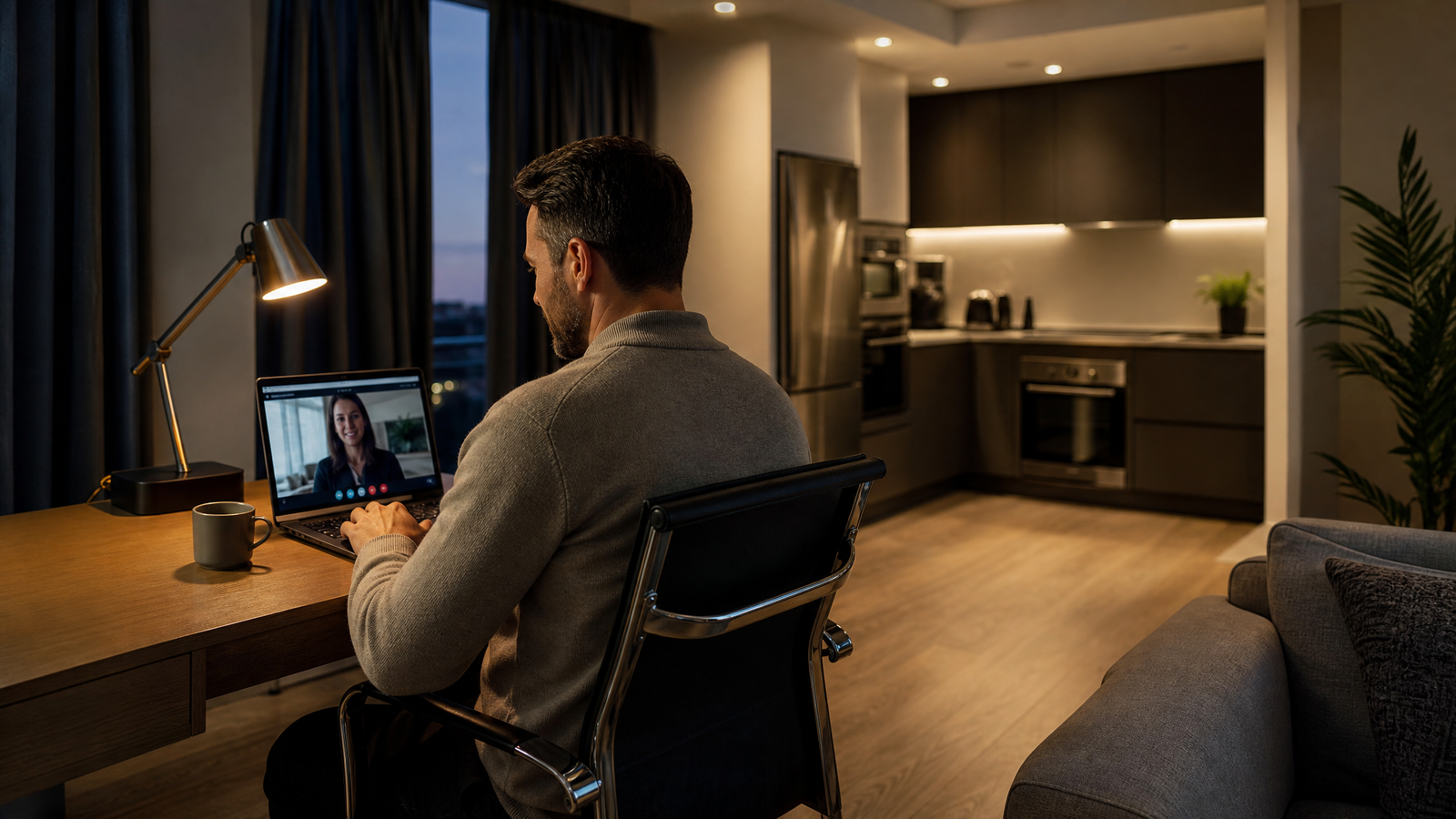
Reliable WiFi that handles video. Not “up to 200 Mbps” in marketing copy. A connection that survives four devices, two video calls and a VPN simultaneously. Test it before every arrival. Guests measure WiFi in failed meetings, not megabits.
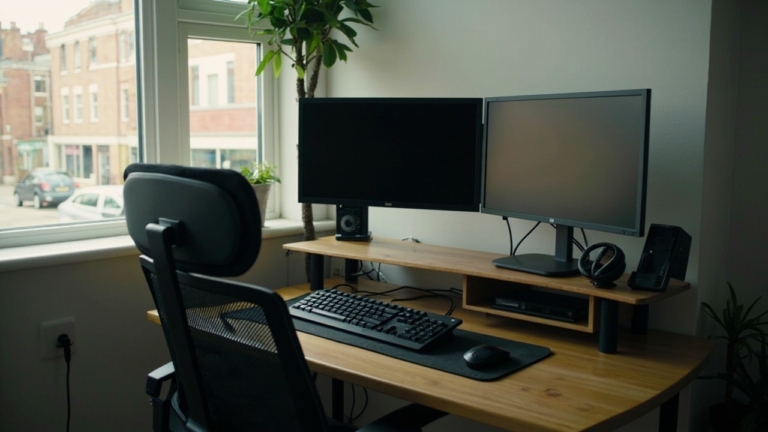
A real workspace. A desk, a proper chair, a lamp that does not flicker, power sockets within reach, and a background that does not look like a bedsit. Most business travellers spend four to six hours a day on calls from their room. A folding table pushed against a wall does not cut it.
A usable kitchen on day one. Clean mugs, a working kettle, coffee, tea, sugar, salt, pepper, oil, washing-up liquid, a tea towel that is not grey. Guests do not expect a hamper. They expect to make a cup of coffee at 11pm after a long flight without having to ask.
Blackout curtains that actually black out. Sleep is the single biggest factor in performance on assignment. Curtains that let in a streetlight on the third night will end a corporate relationship faster than any other complaint.
Smart, silent check-in. Lockbox codes that work first time, clear arrival instructions, no chasing for keys. Procurement teams love this because it removes the late-night phone call.
A direct contact who picks up. Not a chatbot, not an email auto-responder. A phone number that goes to a person who can rebook a cleaner, replace a broken kettle or extend a stay by three nights without a committee meeting.
What guests never use
Be honest about this. The features that get used rarely include in-room safes (everyone uses the wardrobe), gym equipment nobody asked for, decorative artwork guests never mention, expensive coffee machines with pods that run out, and elaborate welcome packs with items left untouched.
Cutting these is not about cost-saving. It is about focus. Every pound spent on an unused amenity is a pound not spent on something that would actually be noticed.
Building a stack that earns the next booking
Start with the fundamentals. Walk every unit as if you are arriving at midnight after a flight. Is the WiFi password on a card by the door? Is the kettle clean? Are there mugs? Is there milk? Can you find the iron without opening three cupboards?
Then layer the differentiators. A real desk, a real chair, lighting that works for video calls. These are not expensive. They just require someone to think like a guest rather than a property manager.
Finally, build the loyalty drivers. These are small, specific touches that show you care. A handwritten note from the operator. A local recommendation for dinner. A mid-stay check-in message that is not a sales pitch. These are the things guests mention in their feedback to procurement.
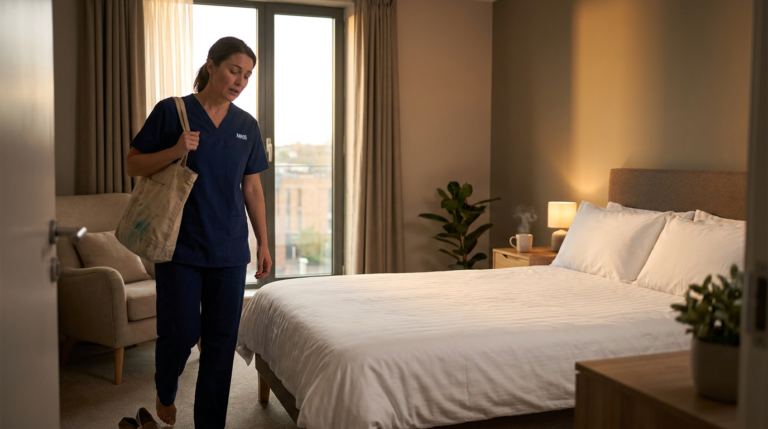
A serviced apartment near Southgate tube, for example, will get repeat NHS locum bookings not because of any one feature but because the operator thought through what a locum actually needs after a 12-hour shift: a quiet bedroom, a hot shower, a kettle that works, and someone who picks up the phone.
The shift from features to outcomes
Procurement teams do not book amenities. They book outcomes: a guest who settles in fast, performs well, and recommends the property to colleagues. The amenity stack is just the means to that end.
When the features line up with the outcome, the bookings repeat. When they do not, even the most comprehensive amenity list will not save you when the contract comes up for renewal.
If you are weighing up serviced apartments for a team on assignment, the shortlist usually comes down to who has thought through the small things. See how we work or get in touch to discuss what a properly-built amenity stack looks like for your guests.